

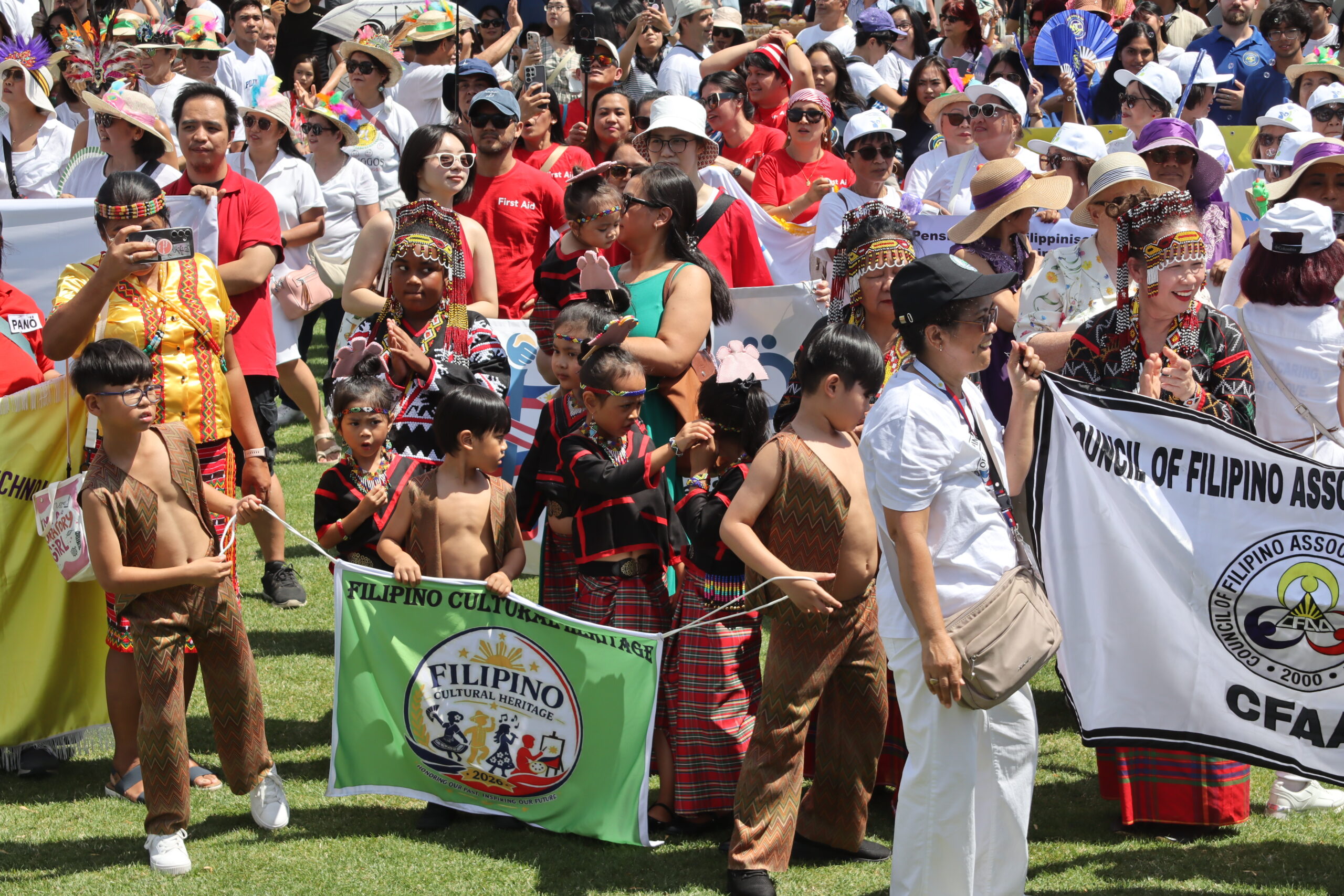
For one day every summer, a corner of Vienna transforms into something unmistakably Filipino.
The aroma of smoky pork barbecue drifts through the air. The rhythm of bamboo poles and modern pop music fills the venue. Families gather under colorful tents, children wave miniature Philippine flags, and strangers become friends over plates of pancit and halo-halo. It is a celebration where culture is not merely displayed, but rather, It is lived.
Barrio Fiesta Vienna 2026.
Organized by the Council of Filipino Associations in Austria (CFAA) in partnership with the Philippine Embassy in Austria, once again proved why it has become one of the most anticipated gatherings for the Filipino community in Austria. More than a cultural festival, it is an annual homecoming. A joyful reminder that while Filipinos may be thousands of kilometers from home, the traditions, values, and spirit of the Philippines continue to thrive.
A Celebration Built on Bayanihan
This year’s Barrio Fiesta welcomed thousands of visitors, bringing together Filipinos from every corner of Austria alongside Austrian friends and guests eager to experience the richness of Philippine culture. For CFAA representative Carmen Pacaigue, the heart of the celebration has always been about something deeper than food and entertainment. “The event is for everyone to experience bayanihan, pagkakaisa, and pagmamahalan,” she shared. “Through the food festival, cultural and contemporary dances, Filipino songs, and by giving Filipinos a platform to showcase their talents, we continue building a stronger and more united community.” Her words echoed throughout the festival grounds as volunteers worked tirelessly behind the scenes, performers prepared backstage, and visitors explored dozens of booths representing the diversity of the Filipino community in Austria.
The Strength of Community
One of Barrio Fiesta’s greatest strengths is the collaboration among the many Filipino organizations that continue to preserve culture while supporting one another. This year’s festivities featured the participation of the Association Pangasinense in Austria, Bulacan and Friends Association in Austria, Bund Philippinischer Gesundheitskräfte in Österreich, Fr. Eugenio Daberto Memorial Foundation, Filipino Assistance Movement in Austria (FAMA), Förderung Philippinische Kultur und Folklore, Global Save Life Foundation, Philippine Association of Medical Technologists in Austria, Retired Filipino Nurses Association in Austria, Verein Filipino in Österreich, Hiyas and Friends Kultura Pop-Up, the Department of Migrant Workers (DMW), Ilonggo Association in Austria, Filipino Cultural Heritage, Kaponogan sa Bisaya in Austria, Babaylan Austria, Philippine Nurses Association in Austria, Philippine-Austrian Cultural and Educational Society, Kulturverein KBS sa Niederösterreich, Association of Mindanaon and Friends in Austria, Pandan Association, Cavite Association, Philippine Association in Niederösterreich, PFS Philippine Federation in Salzburg, Filipino Federation in Linz, Eastern Pangasinan Group in Austria, and many more. Adding even more vibrancy to the celebration were Filipino-owned businesses and community initiatives including Kulay, RAMBAK, SIGE!, VION, MTC, Bahay Kubo, Kusinero, and numerous local entrepreneurs whose booths reflected the creativity and resilience of the Filipino diaspora. Together, they transformed the festival grounds into a lively showcase of Filipino enterprise, culture, and community spirit.
A Feast That Tastes Like Home
No Filipino celebration is complete without food, and Barrio Fiesta Vienna once again delivered a culinary experience that delighted visitors from morning until sunset. Long queues formed in front of food stalls serving Filipino favorites. From sizzling pork barbecue, steaming siopao, savory pancit, and fluffy puto, to beloved delicacies such as bibingka, colorful kakanin, refreshing halo-halo, and handcrafted vegan ice candies. For many Filipinos living abroad, every bite carried memories of home. For first-time visitors, the food became an introduction to the warmth and diversity of Filipino cuisine. Among the busiest attractions was the booth hosted by Kulay, Vienna’s Filipino LGBTQ+ organization. In collaboration with renowned traditional tattoo artist Ate Wamz, visitors once again had the opportunity to receive authentic Batok tattoos, celebrating one of the Philippines’ oldest indigenous traditions while creating meaningful conversations about cultural heritage. Their refreshing mango and ube vegan ice candies became one of the surprise hits of the festival, selling out just hours after opening. Behind the scenes, members of SIGE! and RAMBAK enthusiastically supported the booth, providing manpower, crowd engagement, and infectious energy that helped make it one of the liveliest destinations throughout the day.
Where Tradition Meets Today
Where Tradition Meets Today Throughout the festival, the main stage became the heartbeat of Barrio Fiesta. Traditional folk dances proudly honored the diverse regions of the Philippines, while contemporary performances reflected the creativity and confidence of today’s Filipino artists. Children in colorful costumes performed alongside seasoned cultural groups. Young dancers seamlessly transitioned from tinikling rhythms to modern choreography, illustrating how Filipino heritage continues to evolve while remaining deeply rooted in tradition. Music filled every corner of the venue as audiences clapped, sang along, and celebrated together—a joyful reminder that culture is best experienced when shared.
Bringing Government Closer to the Community
The Philippine Embassy in Austria once again demonstrated that Barrio Fiesta is not only about celebration—it is also about service. Her Excellency Ambassador Evangelina Lourdes Arroyo-Bernas reaffirmed the Embassy’s continued support for initiatives that strengthen the Filipino community in Austria and preserve Philippine culture abroad. She also welcomed the participation of the Department of Migrant Workers, whose presence allowed Filipinos to access essential government services during the festivities—an important extension of the Philippine government’s commitment to overseas Filipinos. Reflecting on her third year as Ambassador to Austria, Ambassador Arroyo expressed her delight at the steadily growing attendance at Barrio Fiesta, noting that each year brings even more visitors eager to celebrate Filipino culture. The increasing turnout, she observed, is a testament to a thriving and united Filipino community that continues to grow while proudly sharing its heritage with Austrian society.
Sharing Vienna’s Filipino Spirit with the World
The festivities also drew the attention of Filipino media creators documenting the vibrant lives of overseas Filipinos. Among them was Joma Orolfo of Diary of an OFW, who traveled to Barrio Fiesta Vienna to capture not only the colorful celebration but also the stories behind the community that made it possible. For Orolfo, the event represented far more than a day of music and food. “Actually, we just wanted to feature the Barrio Fiesta event in Vienna—to get to know the co-Filipinos here, their community, their services, and their businesses. The goal is to share and expose how amazing and alive the Barrio Fiesta in Vienna is to all OFWs, to Filipinos in Europe, and to Filipinos all around the globe.” His visit reflected a growing interest in highlighting Filipino communities outside the Philippines, not only as places where traditions are preserved, but where new stories of success, resilience, and collaboration continue to unfold. By showcasing the organizations, entrepreneurs, volunteers, performers, and families who make Barrio Fiesta possible each year, Diary of an OFW helps shine a spotlight on a thriving Filipino community that has built a home in Austria while proudly keeping its cultural roots alive.
Photo: grabbed from Diary of an OFW Facebook page
Home Is Wherever Filipinos Gather
Perhaps that is the enduring magic of Barrio Fiesta. It is not simply about the performances, the colorful costumes, or the irresistible food. It is about grandparents introducing grandchildren to traditions they once knew only through stories. It is about volunteers giving their time without expecting recognition. It is about organizations working together despite different backgrounds, professions, or regions. Most of all, it is about carrying the Philippines across continents and proving that home is not defined solely by geography. It lives wherever Filipinos choose to celebrate their culture, care for one another, and welcome others with open arms. As the music faded and the final visitors made their way home, one thing remained certain: Barrio Fiesta Vienna 2026 was more than another successful community event. It was a vibrant affirmation that the Filipino spirit, marked by resilience, generosity, joy, and bayanihan—continues to flourish far from the islands that first gave it life.