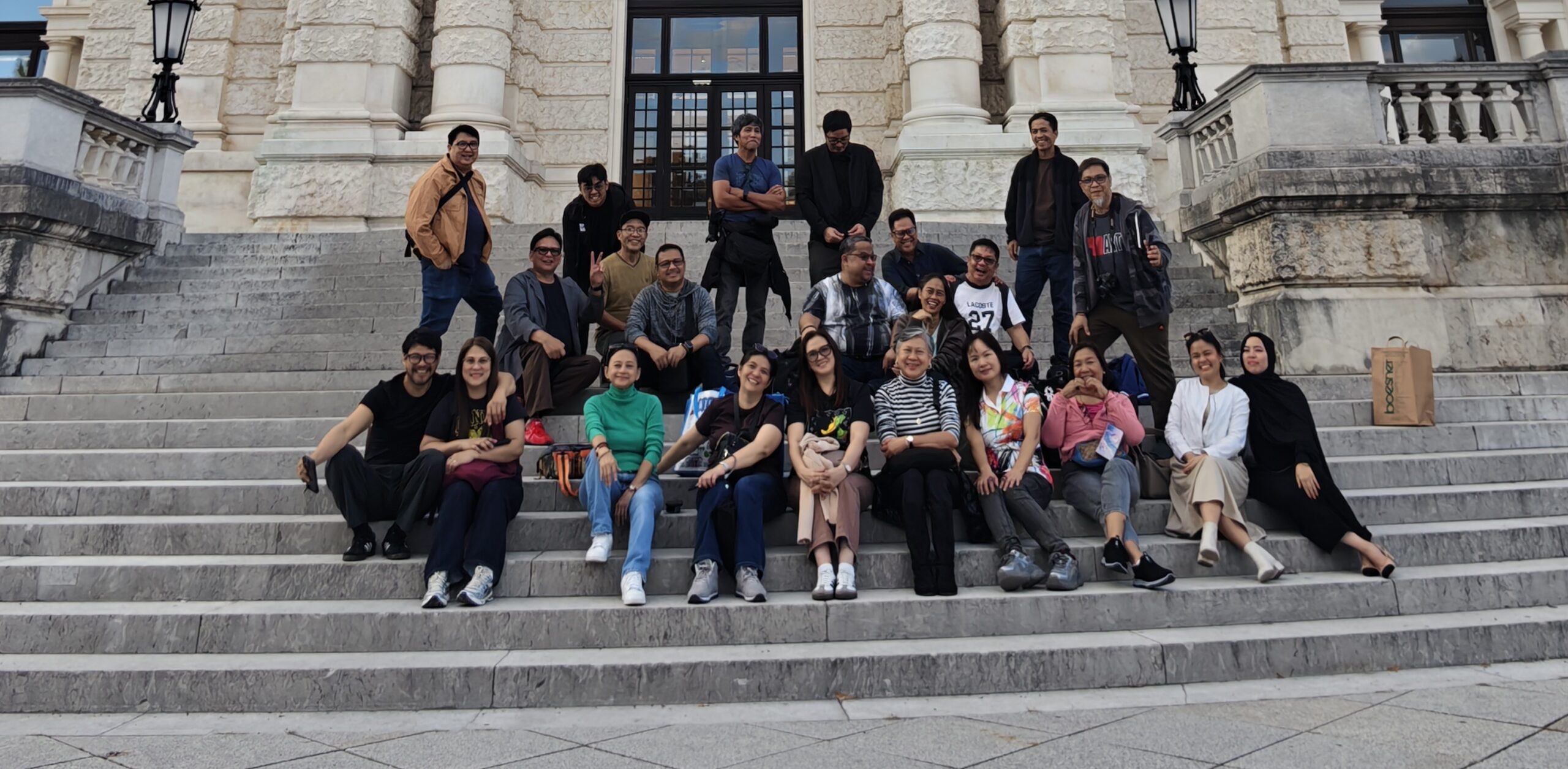
Art has a way of bringing people together, even when they come from different countries, speak different languages or have very different experiences.
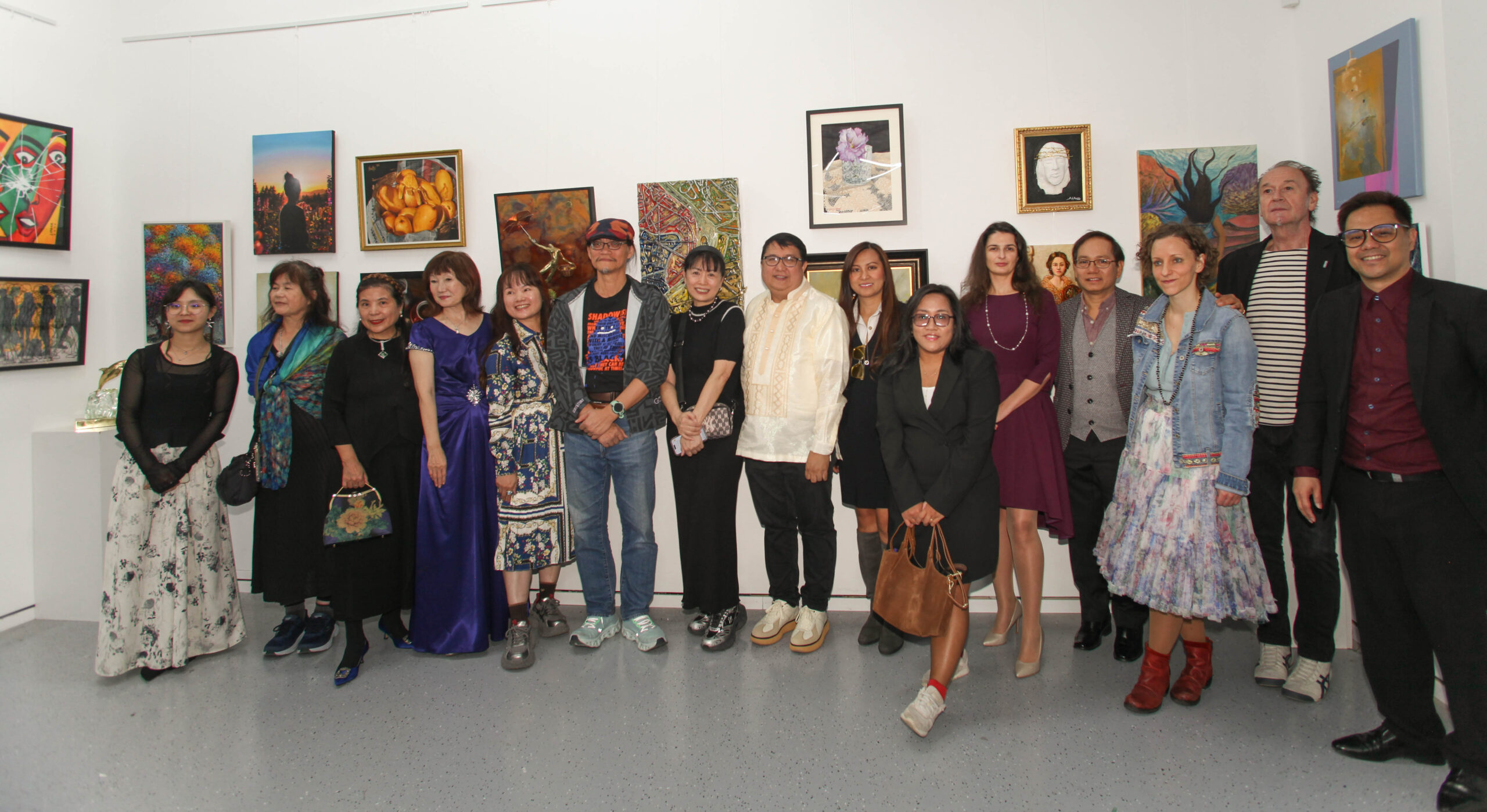
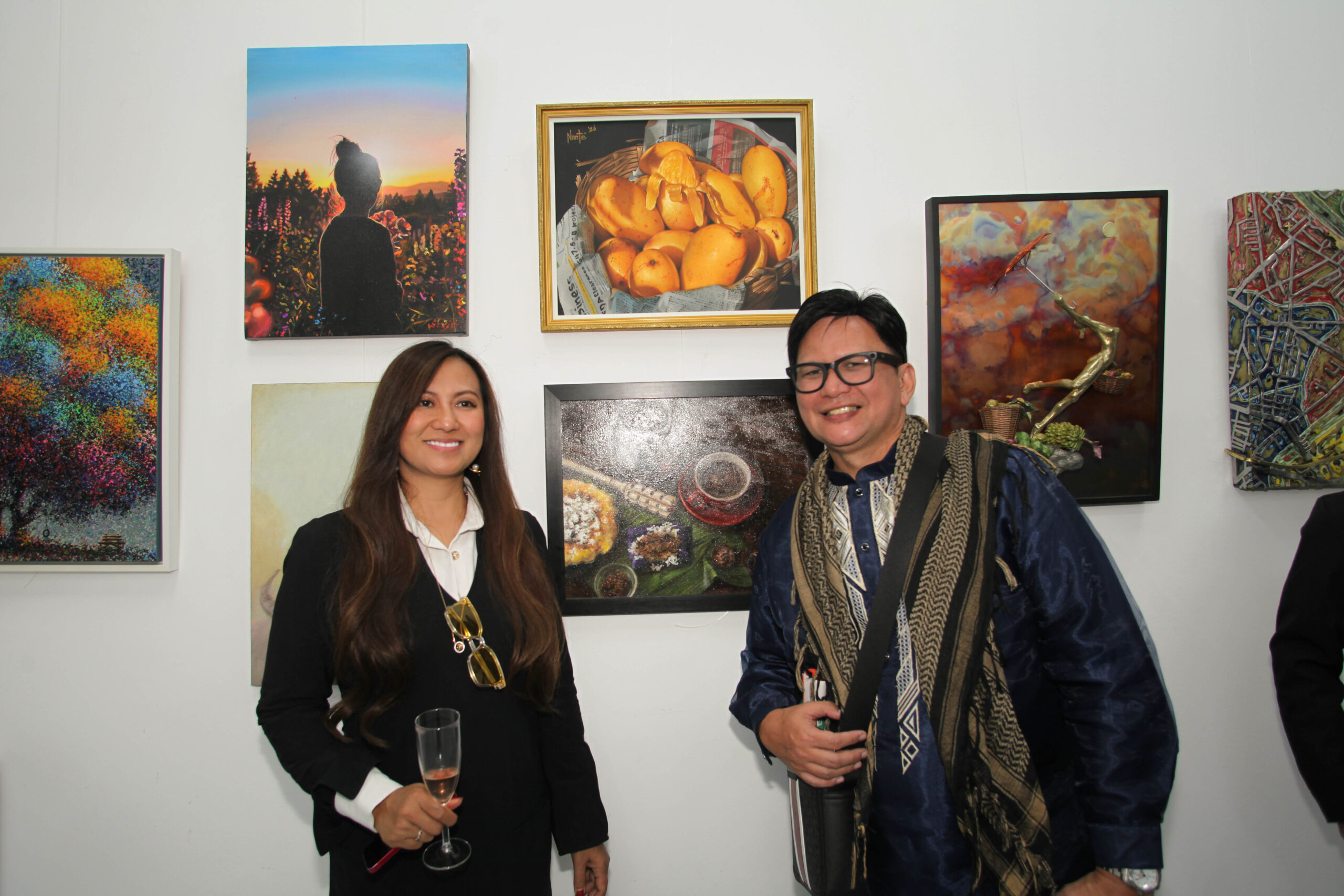
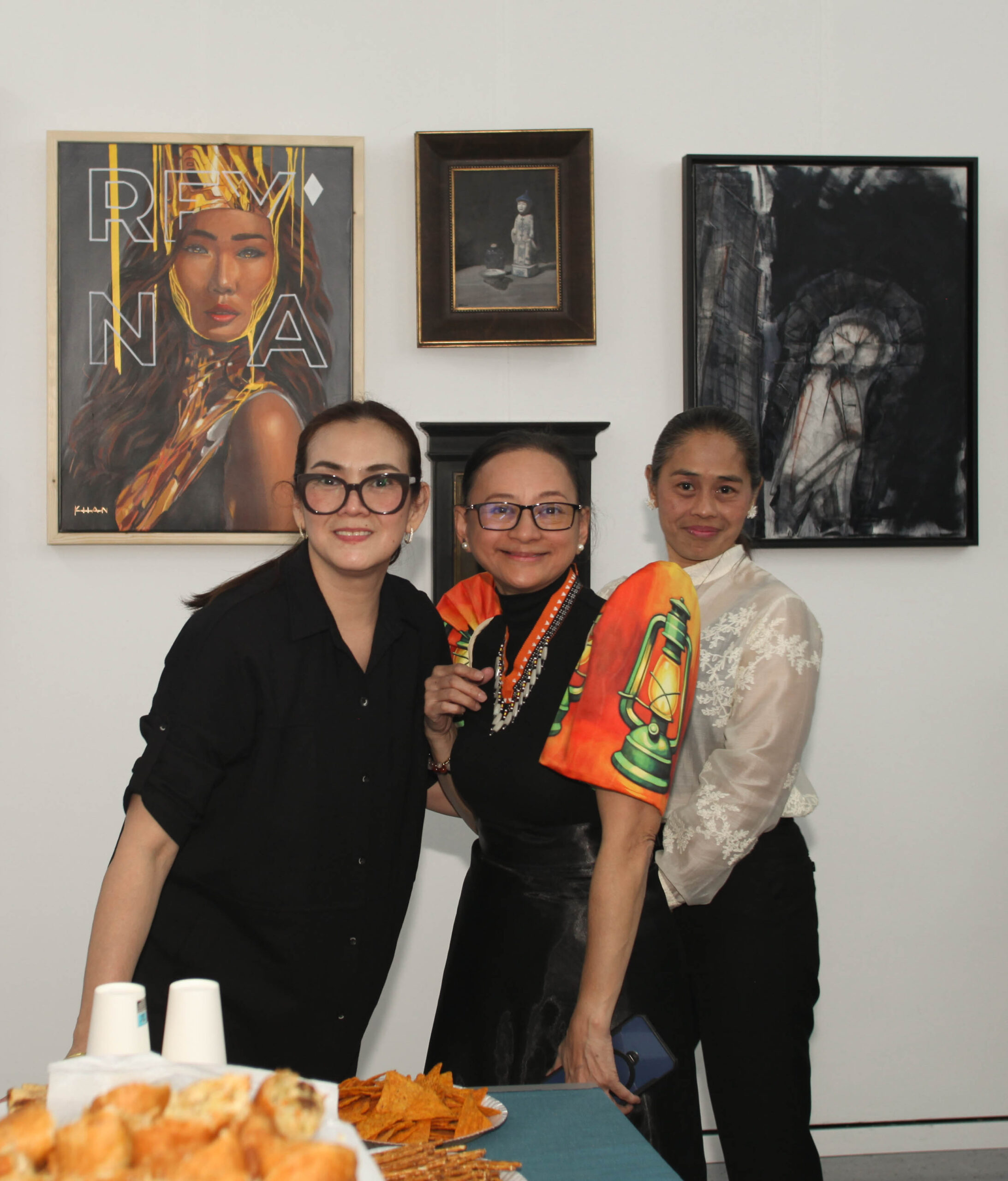
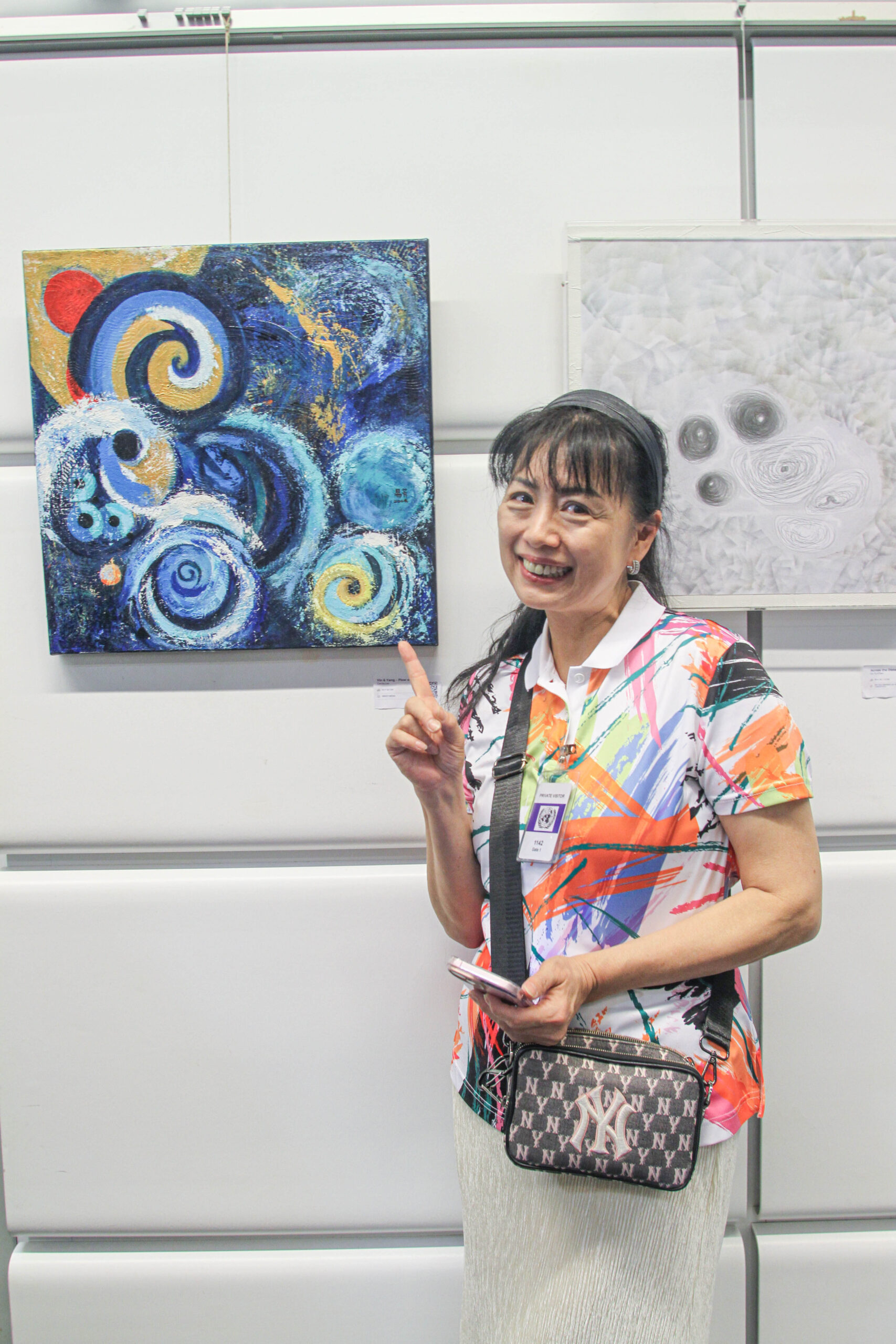
That idea is at the heart of Pagtitipon: The 3rd Edition, an exhibition bringing together Filipino contemporary artists with artists from Europe and Southeast Asia in Vienna. The Filipino word pagtitipon means a gathering or a coming together. Now on its third year, the project has grown from a Filipino art exhibition into a meeting point where artists can share their work, exchange ideas and build friendships across borders. Photo by Janddie Castillo
The project is led by Norlie Meimban of Bastedor Art Studio and Harold Khan of sige!
For Meimban, who founded Bastedor Art Studio in Manila, creating opportunities for Filipino artists has always been an important part of the work. Bastedor, formerly known as Bastedor Art Project, has helped Filipino artists take part in exhibitions and cultural projects both in the Philippines and abroad. In Vienna, sige! works as a non-profit cultural association supporting Filipino and Southeast Asian artists through exhibitions, public programs, cultural exchange and other creative projects. The organization also works to create connections between artists from the Philippines, the Filipino community in Europe and the wider Austrian and international art scene.
Together, Bastedor and sige! have developed Pagtitipon as an ongoing exchange between artists in the Philippines and artists and audiences abroad.
Previous editions of Pagtitipon have featured artists from different generations and artistic backgrounds, including Nemiranda, Ram Mallari Jr., Richard Buxani, Binong Javier and Ejem Alarcon. Their participation reflects the range of contemporary Filipino art today. The exhibition includes artists working in painting, sculpture and mixed media, as well as artists exploring personal stories, culture, identity and the experience of living between different places.
The idea of sharing opportunities is one of the reasons Pagtitipon continues to grow.
For Harold Khan, the project is also connected to his own experience as an artist. “Before I met Norlie Meimban, I was an artist who had lost much of my motivation. For almost two decades, I struggled with frustration and felt that the creative spark I once had was slowly disappearing. The opportunity to work with Norlie and be part of these projects gave me a new meaning and helped me rediscover something I thought I had lost. It reminded me why I became an artist in the first place. I consider that opportunity a blessing, and now I want to share that blessing with other artists by creating opportunities for them as well.”
Meimban sees the work as something that should be built around sincerity and community rather than financial gain.
“As long as the legacy we leave comes from the heart and not from money, it can become a good example for others. When we do things with sincerity and for the benefit of our fellow artists and our community, I believe the work will continue to grow and succeed.” – Norlie Meimban, founder of Bastedor Art Studio
This year’s edition takes that idea further by welcoming artists from Europe and Southeast Asia, including a growing connection with artists from Taiwan.
The Pan Asia Art Alliance has recently brought together dozens of artists for major exhibitions in Taiwan, including the 2026 Taiwan Art Expo, where 34 artists presented around 100 works. Its participating artists work in painting, sculpture and other forms of contemporary art. The involvement of the alliance in Vienna adds another layer to Pagtitipon. It is no longer simply about Filipino artists presenting their work to a European audience. It creates a chance for artists from the Philippines, Taiwan, Austria and other countries to see what each other is doing and possibly build relationships that continue beyond one exhibition.
Two Cities, One Work
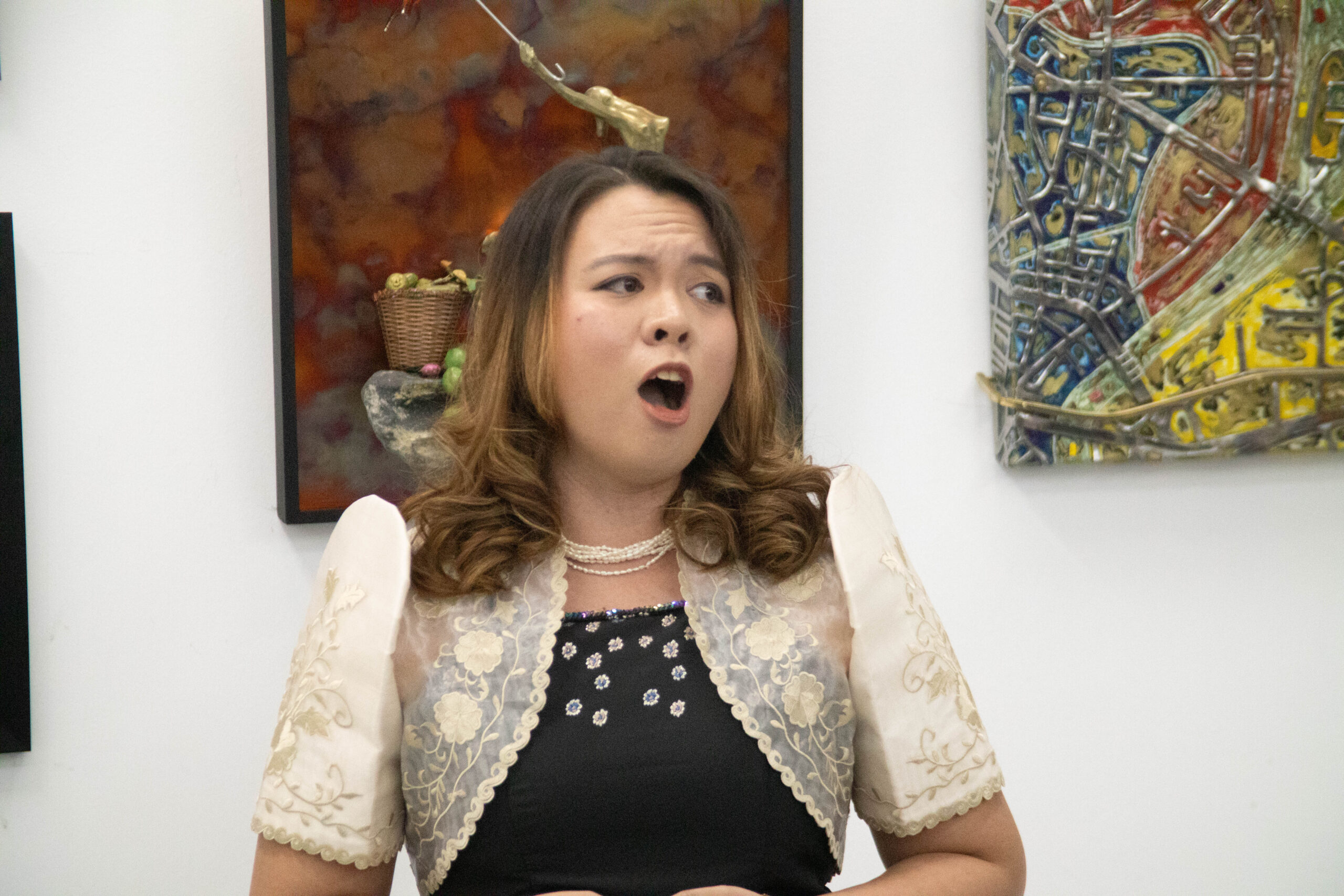
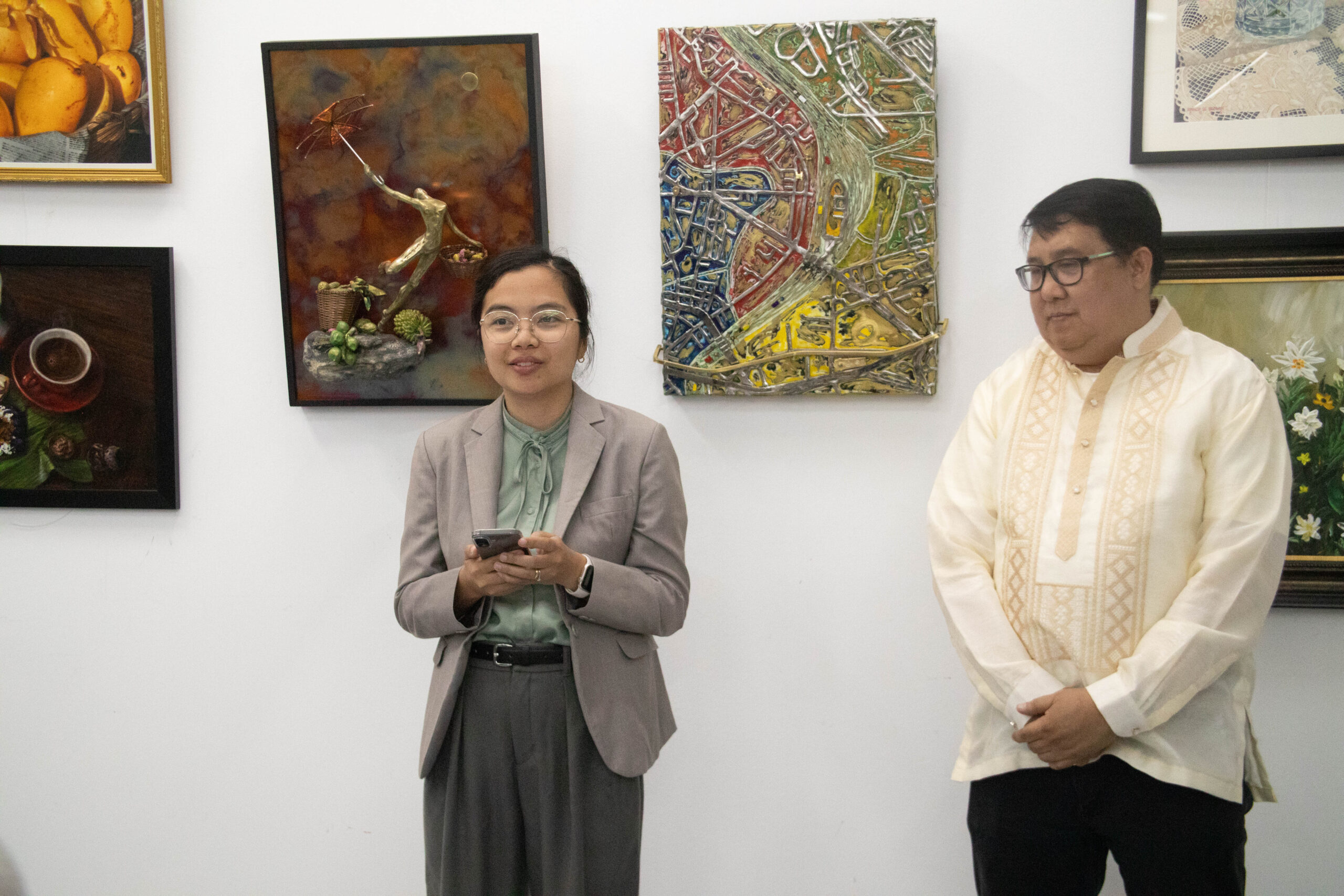
One of the works that reflects the idea of connection is the sculpture by Yul Servo Nieto, which brings together maps of Vienna and Manila in a single wall-mounted work. Nieto is known for his three-dimensional map artworks made using materials such as scrap metal, brass, copper, stainless steel and other reclaimed materials. His Directions series has focused on Manila, using maps and familiar city routes as a way of looking at the city’s history, culture and everyday life. His work for Pagtitipon takes that idea outside Manila. By placing Vienna and Manila together, the piece becomes more than a map. It reflects the experience of Filipinos who now live far from the Philippines while continuing to carry their memories of home with them.
With artists coming from different backgrounds, the exhibition does not try to make all the works look or feel the same. Instead, the differences are part of the experience.
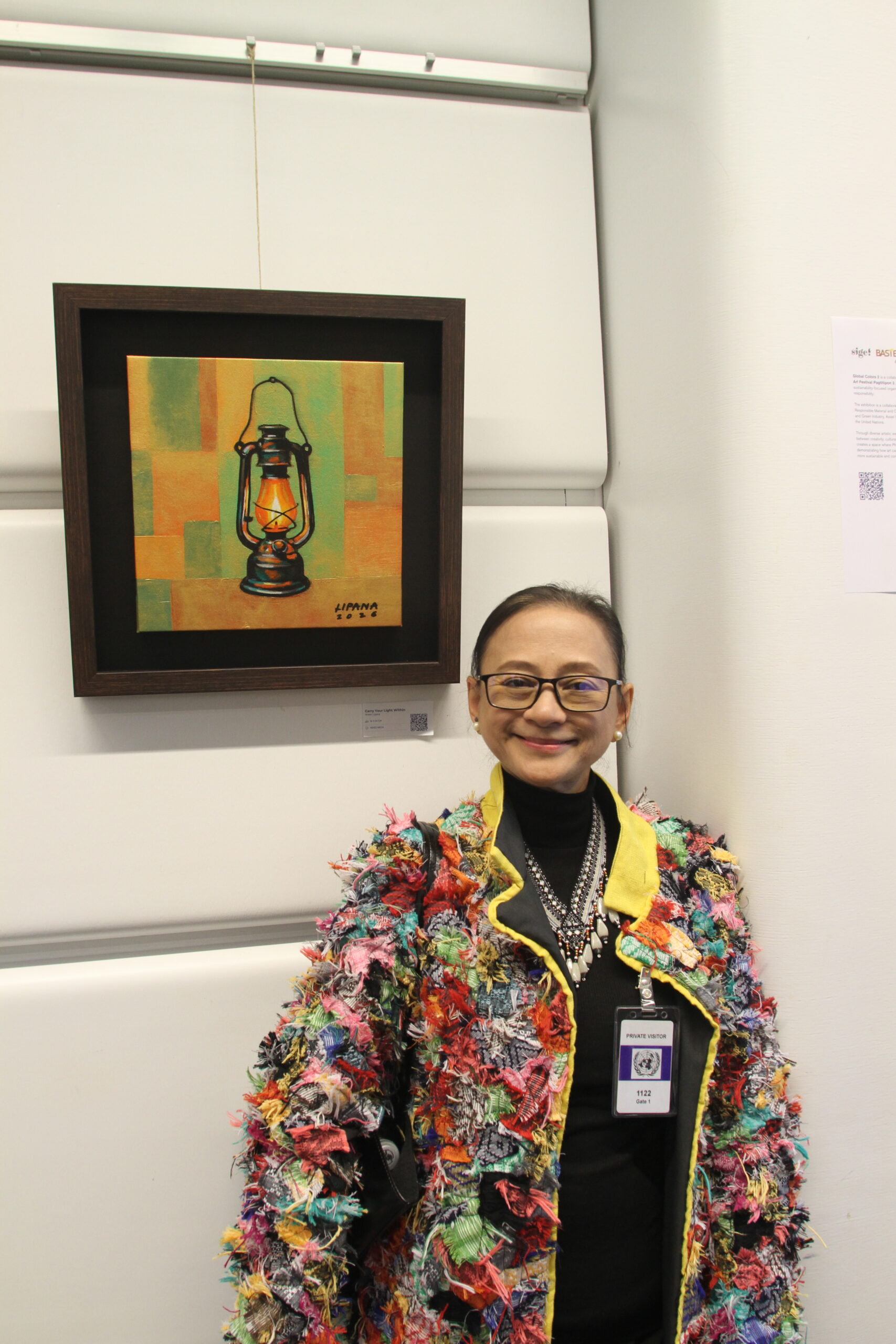
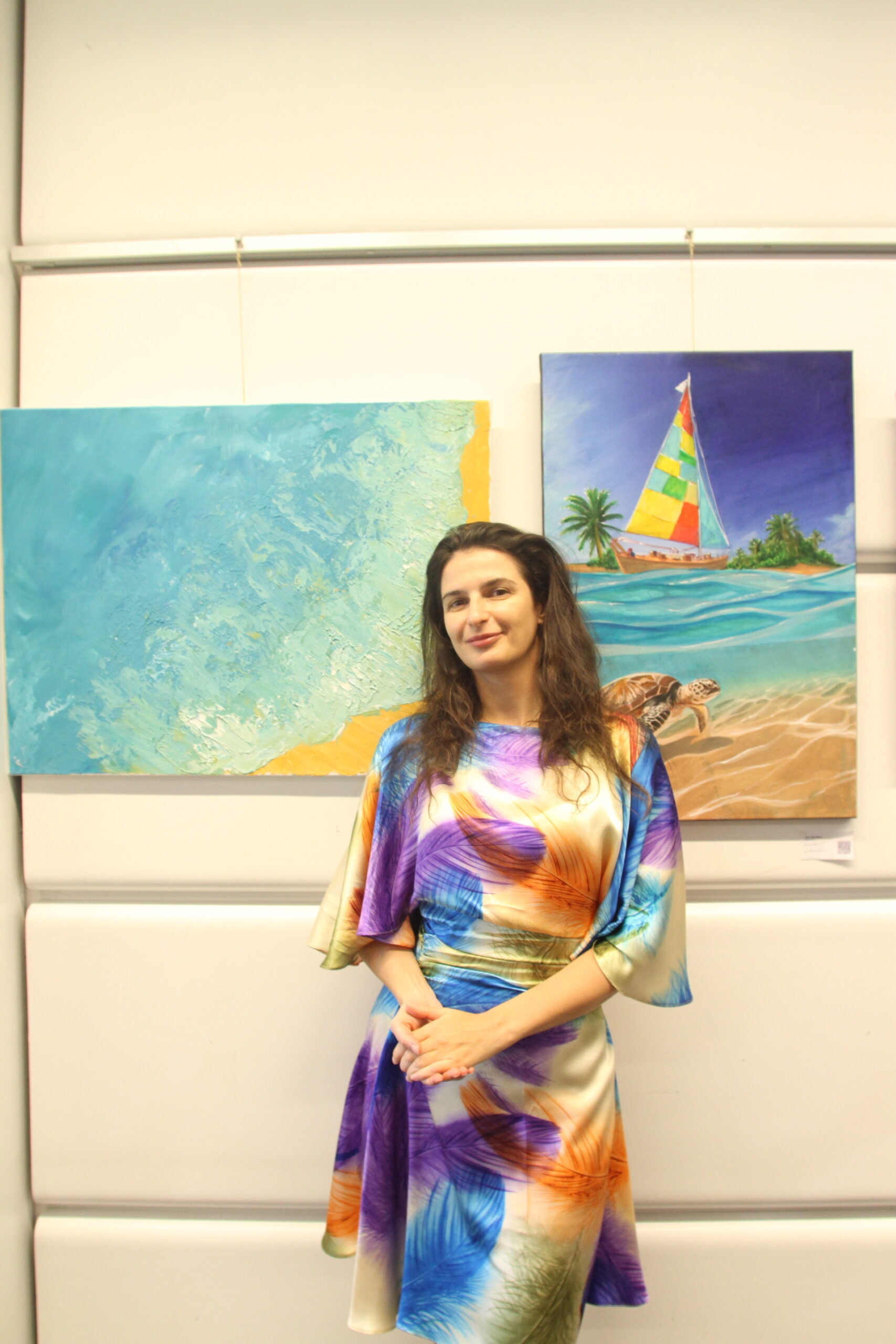
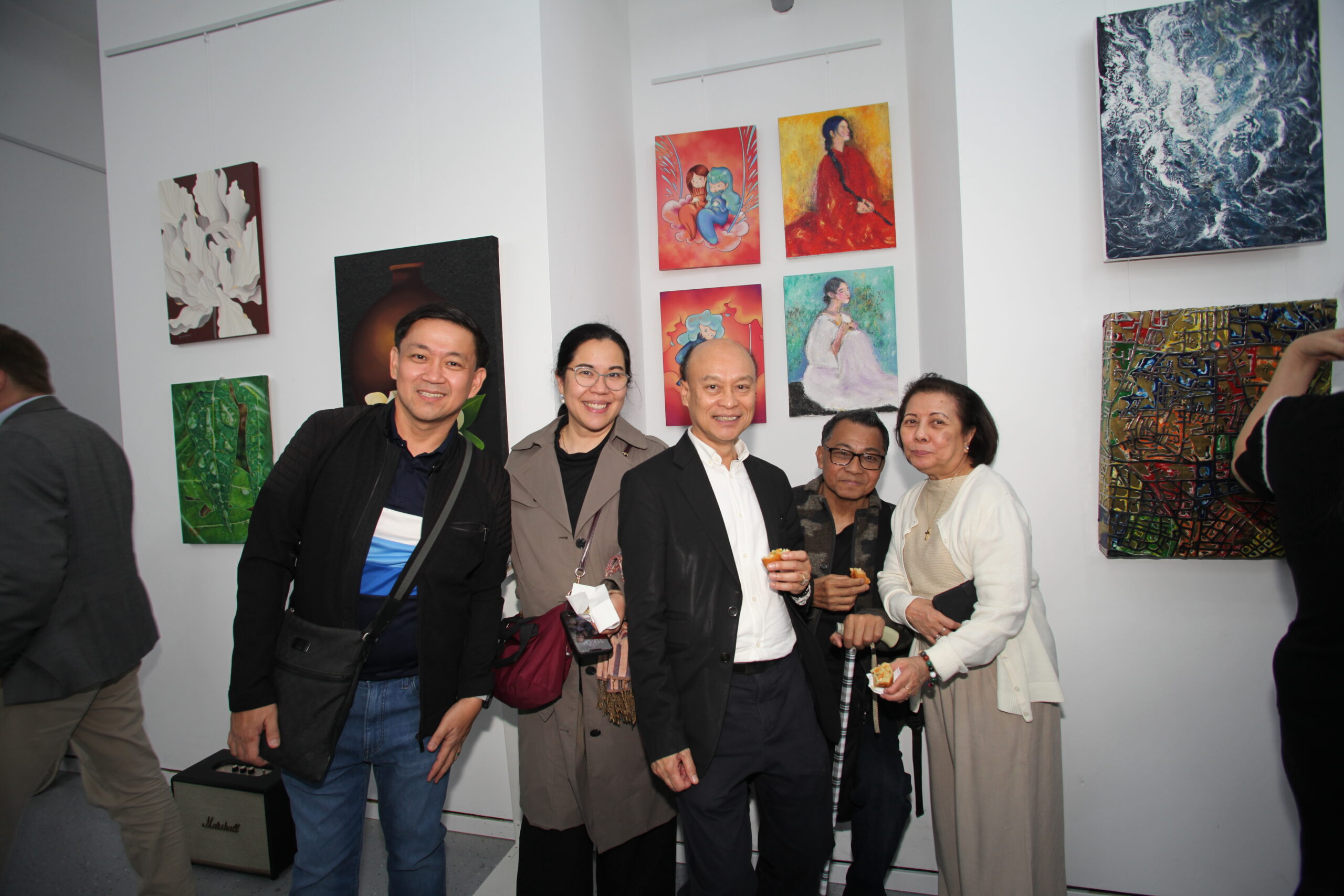
Andy Nabong, Angeline Sycip Cukingnan, Azor Pazcoguin, Bai Sheika Chinnich C. Candao, Cecilia Lee, Charmaine Taus, Chou Li Yun, Christian Piolo Meimban, Daisy Allanigue Sta. Cruz, Emmanuel Bueza, Frederick M. Masangkay, Gerry De Guzman, Gizelle Khan, Grandjoy Agdigos, Günter Lippl, Harold Khan, Hilario Barrozo, Janddie B. Castillo, Jensen Moreno, John Alvin Montano, John West, Junever Mahilum-West, Kateryna Parakhina, Lee Mei-Ling, Le Nguyen Cam Thanh / Lena Cam Thanh, Liao Wan-Ting, Lin Yu Chen, Lisa Pangan, Liu Cheng Humg, Margo Calderero-La Lain, Maria Arleen Lipana Tanjutco, Maria Cristina Castillo, Natalie Larimar, Norlie Meimban, Raquel Eugenio, Raynante Carandang, Renante Aurelio, Rinaldi De Guzman, Sherwin Paul S. Gonzales, Summer Amour L. Pasana, Yeh Ju-Chen, Yul Servo Nieto and Zorrick P. Enriquez. Photo by Alvin Montano.
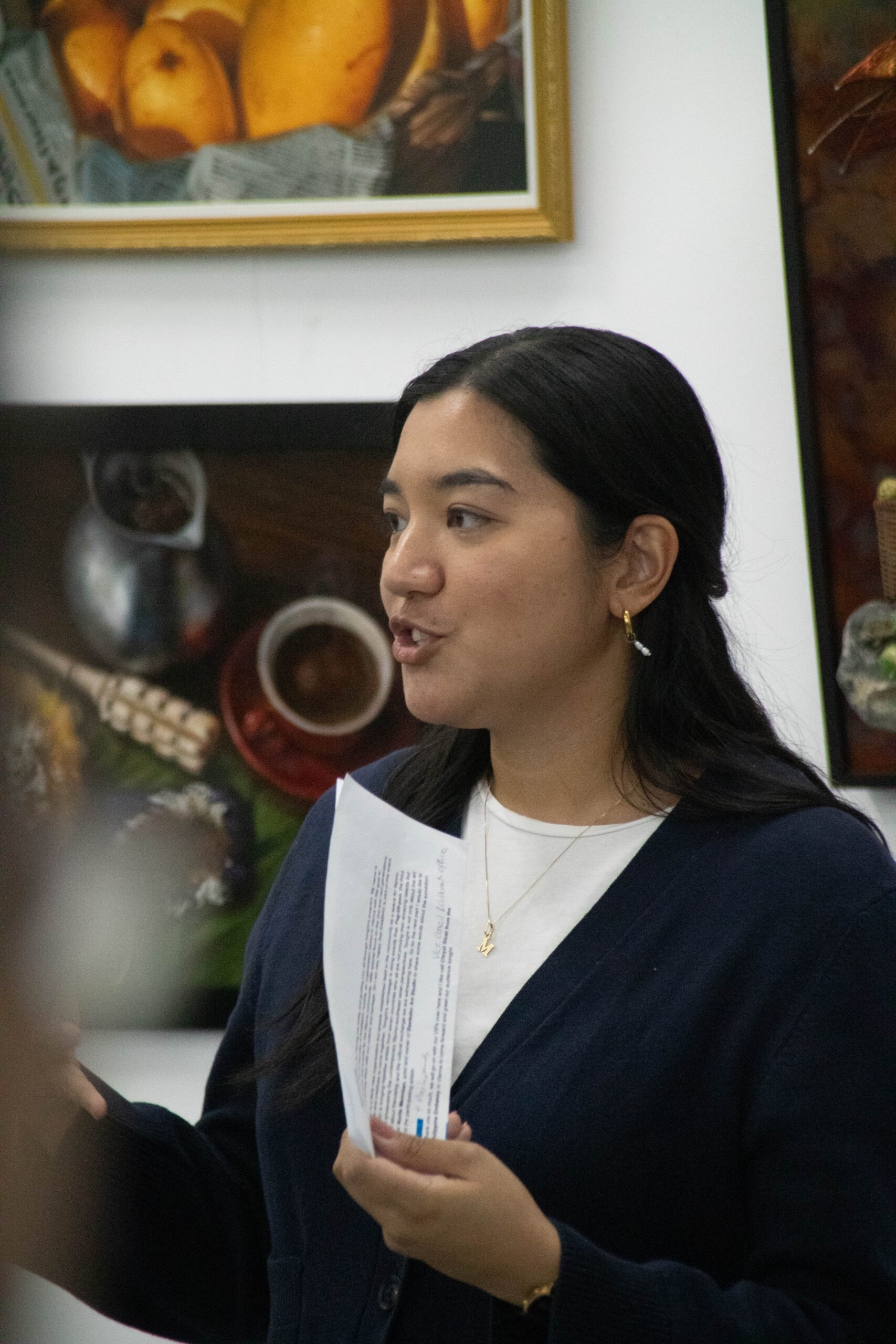
The importance of this cultural exchange was also highlighted during the opening of the exhibition by Chryzl Sicat, Vice Consul and Cultural Officer of the Philippine Embassy in Austria.
Filipino artists are not being presented in isolation, but as part of a larger community of Asian artists who are also finding ways to bring their work across borders. A painting from Manila can sit beside a work from Vienna. An artist from Taiwan can meet a Filipino artist based in Europe. A sculpture about Manila can be shown in Austria. Each work brings its own story, while the exhibition creates the space for those stories to meet. In welcoming the participating artists, Sicat spoke about the value of bringing artists from different countries and cultures together. Cross-cultural art exchange, she noted, creates opportunities for people to understand one another beyond their usual cultural boundaries. For the Filipino community in Austria, exhibitions such as Pagtitipon also provide an opportunity to introduce Filipino creativity to a wider Austrian and international audience. The presence of the Philippine Embassy at the gathering added an important official welcome to the visiting artists and recognized the role that culture and the arts can play in strengthening connections between communities.
Art That Gives Back
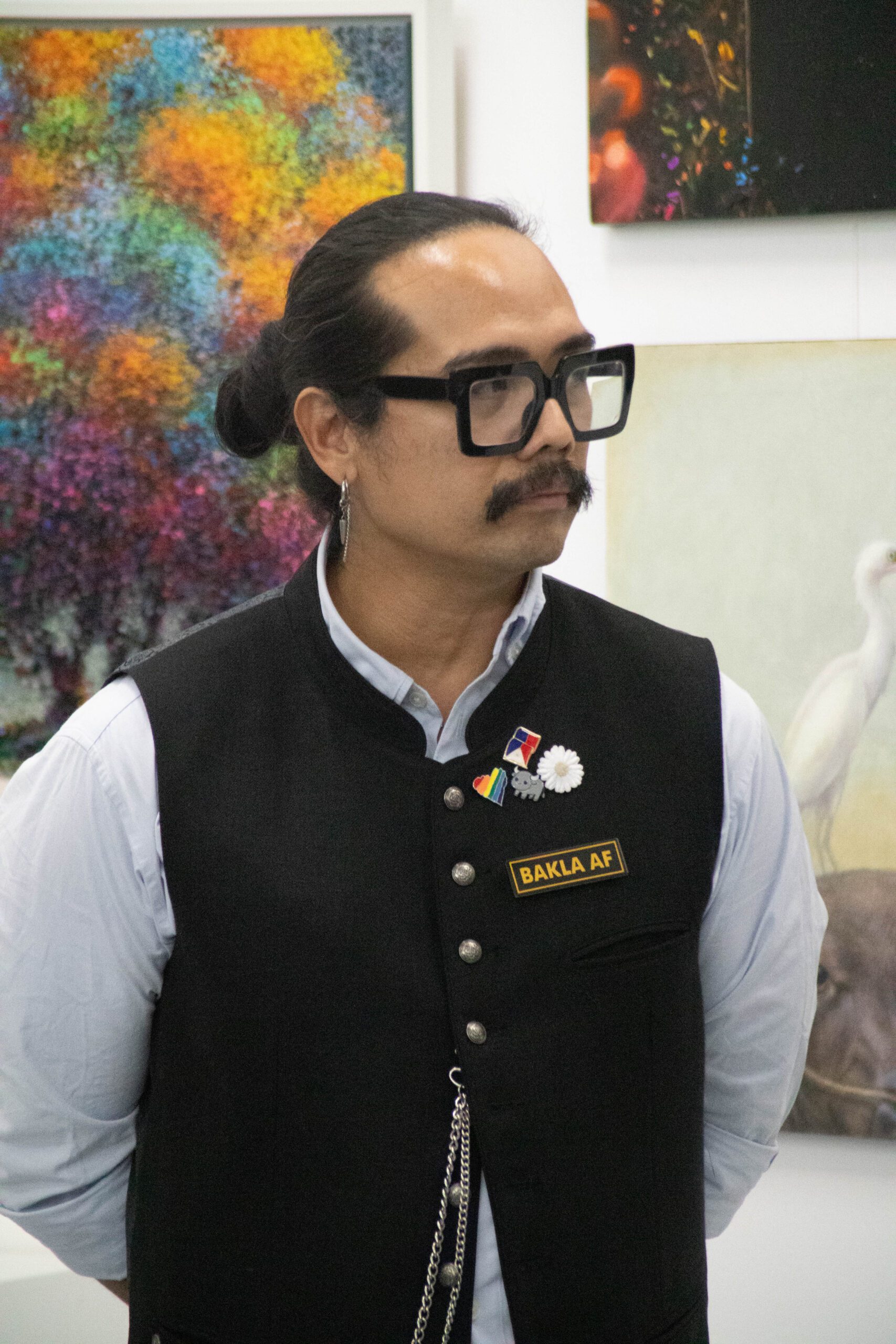
The evening was hosted by Marilyn Magoo of Rambak, who helped welcome guests and artists to the gathering, together with Gerard Rabara of sige!. Their involvement reflects another important part of Pagtitipon. While the exhibition is centered on art, it is also about the people who come together to make these cultural activities possible, such as Bros. Pizza, Mabuhay Accounting Services and Rambak. A portion of the proceeds from artwork sales will be donated to help provide food for street children in Manila during the holiday season. For the organizers, this is a simple but important part of the project. An exhibition can create opportunities for artists, but it can also be used to help people outside the art community. This approach is also reflected in the work of the exhibition’s partners. The project is supported by ACCES, led by Margo Calderero-La Lain, which has been involved in cultural and artistic projects connecting Europe and Asia. The partnership adds another link to the growing network of artists and cultural workers involved in Pagtitipon.
After three years, Pagtitipon is becoming more than a yearly art event. It is becoming a way for artists to meet.
The project has maintained its format of presenting Filipino artists through two exhibitions each year, creating more opportunities for artists to participate and for audiences to encounter Filipino contemporary art in different settings. The 2026 edition continues that direction by bringing together Filipino artists with artists from Europe and Southeast Asia, including the visiting artists and connections from Taiwan through the Pan Asia Art Alliance. For the organizers, the goal remains straightforward. Create opportunities for artists. Give people a chance to meet. Share Filipino art with new audiences. Build friendships across countries. And, whenever possible, use the success of the project to help someone else. That is what pagtitipon means in practice: people coming together and seeing what can happen when they do.